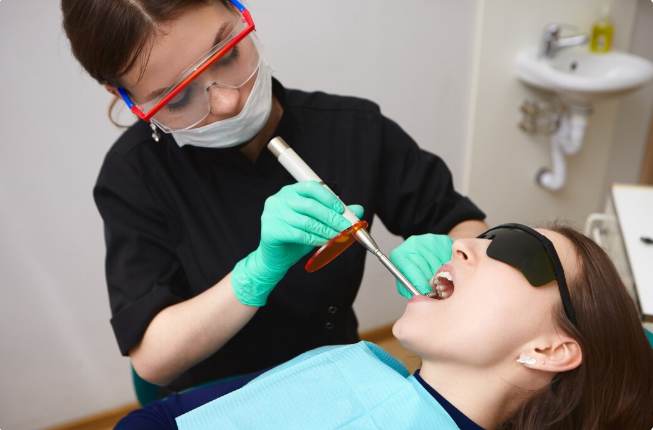
Dental fluorosis is a cosmetic condition that affects the appearance of tooth enamel. It usually develops while permanent teeth are forming during childhood and may appear as white streaks, cloudy patches, or darker discoloration depending on its severity. Although fluorosis does not typically affect the strength or function of the teeth, many people seek dental fluorosis treatment to improve the appearance of their smile and restore confidence.
Modern cosmetic dentistry offers several treatment options that can successfully address enamel discoloration caused by fluorosis. The most appropriate solution depends on the severity of the condition, the appearance of the affected teeth, and the patient’s smile goals. Professional evaluation helps determine which treatment provides the most natural and long-lasting results.
This guide explains what dental fluorosis is, why it occurs, and the cosmetic treatment options available for creating a brighter, healthier-looking smile.
What Is Dental Fluorosis?
Dental fluorosis is a developmental condition that affects the outer enamel of the teeth while they are forming beneath the gums. It occurs when excessive fluoride is consumed during the early years of tooth development. Once the teeth have fully developed, fluorosis cannot develop later in life.
Most cases of fluorosis are mild and appear as subtle white spots or faint streaks on the teeth. Moderate and severe cases may involve more noticeable discoloration and changes in enamel texture.
What Causes Dental Fluorosis?
Fluorosis develops only during childhood while permanent teeth are forming. It is associated with prolonged exposure to higher-than-recommended levels of fluoride during this stage of development.
Common sources of fluoride exposure include:
- Fluoridated drinking water
- Swallowing fluoride toothpaste
- Fluoride supplements when not recommended
- Multiple fluoride sources used simultaneously
It is important to note that fluorosis does not occur from professional fluoride treatments received during adulthood.
How Fluorosis Affects Tooth Enamel
Fluorosis changes the way enamel develops, leading to visible cosmetic changes on the tooth surface. In mild cases, these changes are limited to small white spots that may only be noticeable under certain lighting conditions. More advanced fluorosis can result in larger areas of discoloration or uneven enamel texture.
Although the appearance of fluorosis varies from person to person, the condition is generally considered cosmetic rather than a threat to dental health. Many patients choose treatment to improve smile aesthetics rather than to correct functional problems.
Recognizing the Signs of Dental Fluorosis
Recognizing fluorosis early allows patients to discuss cosmetic treatment options with their dentist. Since several dental conditions can also cause tooth discoloration, a professional examination is important for obtaining an accurate diagnosis.
Your dentist evaluates the appearance of the enamel and determines whether fluorosis or another condition is responsible for the discoloration.
White Spots on Teeth
White spots are the most common sign of mild dental fluorosis. These areas often appear as cloudy patches or faint lines across the enamel and usually affect multiple teeth.
Other conditions can also cause white spots, making professional evaluation essential before beginning cosmetic treatment.
Possible causes of white spots include:
- Mild dental fluorosis
- Early enamel demineralization
- Developmental enamel defects
- Previous orthodontic treatment
An accurate diagnosis ensures that the most appropriate cosmetic solution is selected.
Mild, Moderate, and Severe Fluorosis
Dental fluorosis is commonly classified according to its appearance. Mild fluorosis usually presents as subtle white markings that have little effect on overall tooth appearance. Moderate fluorosis involves more visible white patches, while severe fluorosis may produce brown discoloration and surface irregularities.
The severity of fluorosis helps determine which cosmetic treatment option is most appropriate. Some patients benefit from conservative procedures, while others may require more comprehensive smile enhancement.
When to Visit a Dentist
Patients who notice persistent white spots or unusual enamel discoloration should schedule a dental evaluation. A professional examination helps determine whether fluorosis is the cause and identifies the most effective treatment options based on the condition of the teeth.
If you are concerned about enamel discoloration or white spots on your teeth, visiting a trusted local dentist Kent WA allows you to receive an accurate diagnosis and personalized cosmetic treatment recommendations.
Can Dental Fluorosis Be Treated?
Yes. Although fluorosis itself cannot be reversed because it develops during tooth formation, its appearance can often be significantly improved with modern cosmetic dentistry. Treatment focuses on enhancing the appearance of the enamel rather than altering how the teeth originally developed.
The most appropriate procedure depends on the severity of the discoloration, the patient’s smile goals, and the overall condition of the teeth.
Is Fluorosis Permanent?
The enamel changes caused by fluorosis are permanent because they occur while the teeth are developing. However, permanent does not mean untreatable. Cosmetic dentistry offers several solutions that reduce or conceal discoloration while creating a brighter and more uniform smile.
Many patients achieve excellent aesthetic improvements through conservative cosmetic procedures recommended by their dentist.
How Dentists Determine the Right Treatment
Selecting the right treatment begins with a comprehensive dental examination. Your dentist evaluates the color, texture, and severity of the affected enamel while discussing your cosmetic expectations.
Several factors influence treatment recommendations, including:
- Severity of fluorosis
- Location of affected teeth
- Overall enamel health
- Existing dental restorations
- Desired cosmetic outcome
A personalized treatment plan helps ensure natural-looking results while preserving healthy tooth structure.
Modern Dental Fluorosis Treatment Options
Advances in cosmetic dentistry allow dentists to treat fluorosis using several minimally invasive techniques. The recommended treatment depends on how noticeable the discoloration is and how much enamel is affected.
Each option offers different advantages based on the patient’s clinical needs and cosmetic goals.
Professional Teeth Whitening for Mild Cases
Professional teeth whitening may improve the overall appearance of mild fluorosis by creating a more uniform tooth shade. While whitening does not remove fluorosis, it can reduce the contrast between unaffected enamel and lighter white spots in appropriate cases.
Your dentist evaluates whether whitening is suitable because treatment effectiveness depends on the severity and pattern of the fluorosis. Professional supervision also helps achieve safer and more predictable cosmetic results.
Dental Bonding for Enamel Discoloration
Dental bonding uses tooth-colored composite resin to improve the appearance of localized enamel discoloration. The material is carefully shaped and polished to blend naturally with the surrounding tooth surface.
Bonding offers several advantages:
- Conservative treatment
- Natural appearance
- Preservation of healthy enamel
- Customized color matching
- Immediate cosmetic improvement
The dentist determines whether bonding is the most appropriate option after evaluating the condition of the affected teeth.
Porcelain Veneers for Moderate to Severe Fluorosis
Porcelain veneers are often recommended when fluorosis causes more extensive discoloration or enamel irregularities. These custom-made restorations cover the front surface of the teeth, creating a bright, balanced, and natural-looking smile.
Veneers are designed to improve color, shape, and overall aesthetics while providing durable, long-lasting cosmetic enhancement. They are typically considered when more conservative treatments cannot achieve the desired outcome.
Other Cosmetic Treatment Options
In addition to whitening, bonding, and veneers, dentists may recommend other cosmetic procedures depending on the severity of dental fluorosis and the condition of the enamel. Every treatment plan is customized to achieve the most natural-looking results while preserving as much healthy tooth structure as possible.
Some patients may benefit from a combination of cosmetic treatments rather than a single procedure. A comprehensive dental examination allows the dentist to determine which approach is most appropriate based on the appearance of the teeth and the patient’s smile goals.
Choosing the Right Treatment Based on Severity
The severity of dental fluorosis plays an important role in selecting the most effective cosmetic solution. Mild cases often respond well to conservative treatments, while more noticeable discoloration may require advanced restorative procedures.
Your dentist evaluates the extent of enamel changes before recommending a treatment plan designed to provide long-lasting aesthetic improvements.
Mild Fluorosis
Mild fluorosis usually appears as faint white streaks or small cloudy areas that do not significantly affect the overall appearance of the smile. Conservative cosmetic procedures are often sufficient to improve these subtle enamel changes.
Treatment options for mild fluorosis may include:
- Professional teeth whitening
- Enamel polishing when appropriate
- Cosmetic bonding for isolated areas
- Regular preventive dental care
- Routine professional monitoring
These conservative treatments help enhance smile appearance while preserving healthy enamel.
Moderate Fluorosis
Moderate fluorosis typically presents with larger white patches or more noticeable enamel discoloration. Depending on the appearance of the affected teeth, dentists may recommend dental bonding, veneers, or a combination of cosmetic procedures to create a more uniform smile.
The treatment recommendation is based on the amount of discoloration, enamel condition, and the patient’s cosmetic expectations. Personalized planning helps ensure balanced and natural-looking results.
Severe Fluorosis
Severe fluorosis may involve brown discoloration, pitting, or surface irregularities that affect the appearance of multiple teeth. In these situations, more comprehensive cosmetic treatments are often required to achieve the desired improvement.
Porcelain veneers are frequently considered for severe fluorosis because they completely cover the visible front surface of the teeth. This approach provides predictable cosmetic enhancement while improving smile symmetry and overall aesthetics.
How to Prevent Further Enamel Discoloration
Although fluorosis itself develops only during childhood, maintaining good oral hygiene and preventive dental care helps preserve the appearance of treated teeth and supports overall oral health. Healthy daily habits also reduce the risk of additional staining caused by food, beverages, or tobacco use.
Preventive care allows dentists to monitor existing restorations and recommend maintenance strategies that help preserve cosmetic treatment results.
Daily Oral Hygiene Habits
Consistent oral hygiene supports healthy enamel and helps maintain a brighter smile after cosmetic treatment.
Recommended daily habits include:
- Brushing twice each day
- Flossing daily
- Using dentist-recommended oral care products
- Limiting foods and beverages that may stain teeth
- Attending routine dental cleanings
These habits help protect both natural teeth and cosmetic restorations.
Regular Preventive Dental Visits
Routine dental examinations allow your dentist to monitor oral health and evaluate the condition of cosmetic restorations over time. Professional cleanings also help remove surface stains that may affect the appearance of your smile.
Preventive care is an important part of maintaining long-term cosmetic results regardless of which fluorosis treatment you receive.
Some patients seeking comprehensive smile restoration may also require additional restorative procedures. When multiple missing teeth are present alongside cosmetic concerns, treatments such as full arch dental implants may become part of a broader personalized dental care plan.
Why Patients in Kent, WA Choose Implant West for Dental Fluorosis Treatment
Choosing an experienced cosmetic dental team is essential for achieving natural-looking fluorosis treatment results. Implant West provides personalized evaluations that identify the severity of enamel discoloration and recommend the most appropriate cosmetic solution for each patient.
Every treatment plan is developed after a comprehensive examination that considers oral health, cosmetic goals, and long-term smile preservation. This individualized approach helps patients receive treatment that addresses both aesthetics and overall dental wellness.
Personalized Cosmetic Treatment Plans
Every case of dental fluorosis is unique. Some patients require only minor cosmetic improvements, while others benefit from more comprehensive smile enhancement. Personalized consultations allow the dental team to recommend treatments that match the patient’s needs rather than applying the same approach to every case.
Careful treatment planning also helps patients understand the expected benefits, limitations, and long-term maintenance of each cosmetic procedure before treatment begins.
Advanced Solutions for Smile Enhancement
Modern cosmetic dentistry combines advanced materials, precise techniques, and individualized planning to improve smile appearance while preserving healthy tooth structure whenever possible. Implant West offers cosmetic treatment options designed to address enamel discoloration with natural-looking, long-lasting results.
By combining clinical expertise with patient-centered care, the dental team helps patients achieve brighter smiles while maintaining excellent oral health.
Conclusion
Dental fluorosis is a cosmetic condition that affects the appearance of tooth enamel, but modern dentistry offers several effective treatment options for improving your smile. Professional teeth whitening, dental bonding, porcelain veneers, and other cosmetic procedures can successfully reduce the appearance of white spots and enamel discoloration based on the severity of the condition. A comprehensive dental evaluation ensures that the selected treatment is tailored to your specific needs and cosmetic goals.
If you are concerned about dental fluorosis or would like to explore cosmetic treatment options, scheduling a professional consultation is the best first step. To learn more about available treatments and receive personalized recommendations, contact Implant Oral Surgery & Aesthetics and speak with a dental team dedicated to helping you achieve a healthier, brighter smile.
Frequently Asked Questions
1. Can dental fluorosis be reversed?
Dental fluorosis cannot be reversed because it develops while the teeth are forming during childhood. However, its appearance can often be significantly improved with cosmetic dental treatments such as whitening, bonding, or veneers.
2. Does teeth whitening remove fluorosis stains?
Professional teeth whitening may improve the appearance of mild fluorosis by creating a more even tooth color. The results depend on the severity of the fluorosis and should be evaluated by a dentist.
3. Are veneers a good option for fluorosis?
Yes. Porcelain veneers are often recommended for moderate to severe fluorosis because they cover the visible front surface of the teeth and provide long-lasting cosmetic improvement.
4. Is dental fluorosis harmful?
In most cases, dental fluorosis is a cosmetic condition and does not negatively affect the strength or function of the teeth. A dental examination can confirm the diagnosis and recommend appropriate treatment if desired.
5. Which treatment is best for white spots on teeth?
The most appropriate treatment depends on the cause and severity of the white spots. Your dentist will recommend options such as professional whitening, dental bonding, or veneers after evaluating your teeth and overall oral health.
