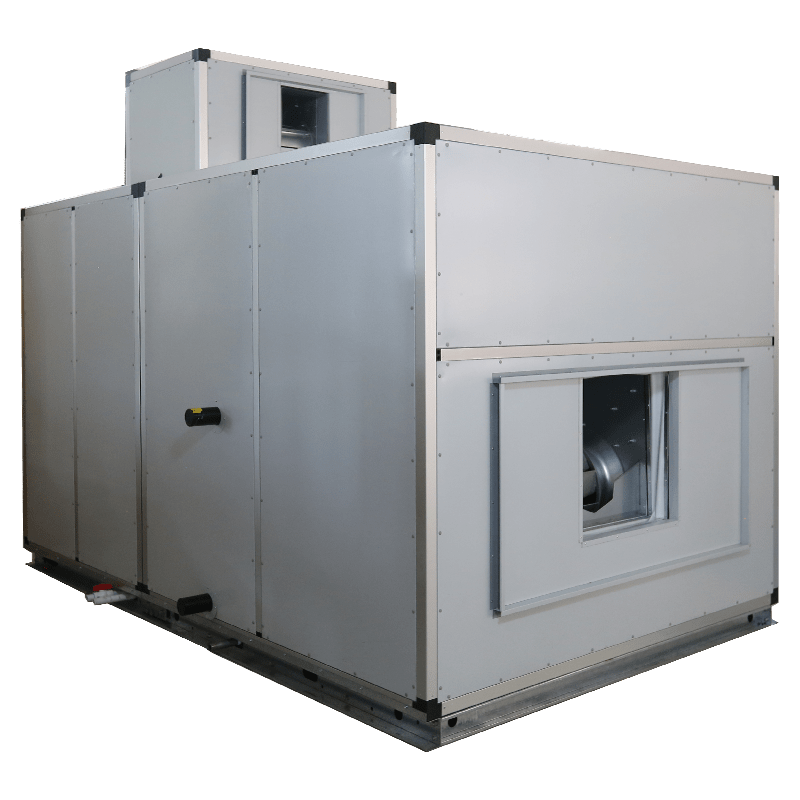
Cooling technology has evolved significantly to meet the growing demand for energy efficiency and environmental sustainability. Among modern solutions, the indirect evaporative cooler stands out as an advanced system that delivers effective cooling without increasing indoor humidity. This makes it an ideal choice for spaces where comfort and air quality are equally important.
Understanding how this system works and its benefits can help businesses and facility managers make informed decisions about their cooling requirements.
What Is an Indirect Evaporative Cooler?
An indirect evaporative cooler is a cooling system that reduces air temperature through a heat exchange process without adding moisture to the air being circulated indoors. Unlike traditional cooling methods, it uses water evaporation indirectly to cool fresh air before it enters the space.
This approach allows for efficient cooling while maintaining comfortable humidity levels, making it suitable for a wide range of environments.
Difference Between Direct and Indirect Cooling
Direct evaporative cooling involves passing air through water-saturated pads, which cools the air but also increases humidity. While this method is effective in dry climates, it may not be suitable for all environments.
Indirect cooling, on the other hand, keeps the air streams separate. The air that undergoes evaporation does not mix with the air delivered indoors. This ensures that cooling occurs without adding moisture, providing a more controlled indoor climate.
The air separation process is a key factor that distinguishes indirect systems. It allows the system to maintain comfort while delivering consistent cooling performance.
Core Components of the System
An indirect evaporative cooler consists of several essential components that work together to achieve efficient cooling.
The heat exchanger is the most critical part of the system. It transfers heat from the incoming air to the evaporatively cooled air without allowing the two air streams to mix. This enables effective temperature reduction while maintaining air quality.
Air channels guide the movement of air through the system. These channels ensure that airflow is properly directed, maximizing the efficiency of the cooling process and maintaining consistent performance.
How Indirect Evaporative Cooling Works
The working principle of an indirect evaporative cooler is based on heat exchange and controlled airflow. This process allows the system to cool air effectively while maintaining optimal humidity levels.
Heat Exchange Process Explained
The heat exchange process is at the core of indirect evaporative cooling. Warm air from outside is drawn into the system and passes through a heat exchanger. At the same time, a separate stream of air is cooled through evaporation.
The cooled air absorbs heat from the incoming warm air through the heat exchanger. As a result, the temperature of the incoming air decreases before it is circulated indoors.
This method ensures that cooling occurs without direct contact between water and the supply air. As a result, moisture is not added to the indoor environment.
Role of Water and Airflow
Water plays a crucial role in the cooling process by enabling evaporation. When water evaporates, it absorbs heat from the surrounding air, lowering its temperature.
Airflow is equally important in ensuring effective cooling. Fans and air channels regulate the movement of air through the system, ensuring that the heat exchange process occurs efficiently.
The combination of water evaporation and controlled airflow results in a consistent and reliable temperature reduction mechanism.
In the middle of exploring advanced cooling solutions, systems developed by ARCTIC reflect a strong focus on efficiency, durability, and performance.
Benefits of Indirect Evaporative Coolers
Indirect evaporative coolers offer several advantages that make them a preferred choice for modern cooling needs. These benefits extend beyond temperature control and contribute to overall efficiency and sustainability.
Energy Efficiency and Cost Savings
One of the most significant benefits of indirect evaporative coolers is their energy efficiency. These systems consume less power compared to traditional air conditioning units, as they rely on natural processes such as evaporation and heat exchange.
Lower energy consumption translates into reduced operational costs. This makes indirect evaporative cooling a cost-effective solution for both commercial and industrial applications.
The reduced reliance on energy-intensive components also contributes to environmental sustainability, making these systems an eco-friendly choice.
Improved Indoor Air Quality
Indirect evaporative coolers provide continuous fresh air circulation, which helps maintain a healthy indoor environment. Unlike systems that recirculate the same air, these coolers bring in fresh outdoor air and cool it before distribution.
This process improves air quality by reducing the buildup of pollutants and ensuring better ventilation. The absence of added humidity further enhances comfort and prevents issues related to excess moisture.
Applications of Indirect Evaporative Cooling
Indirect evaporative cooling systems are versatile and can be used in various settings. Their ability to deliver efficient cooling without increasing humidity makes them suitable for a wide range of applications.
Industrial and Commercial Use
These systems are widely used in industrial and commercial environments where maintaining a stable temperature is essential. Warehouses, factories, and production facilities benefit from the consistent cooling provided by indirect evaporative systems.
Large spaces often require efficient and cost-effective cooling solutions. Indirect evaporative coolers meet these requirements by delivering reliable performance while keeping energy costs low.
Their ability to handle high cooling loads makes them a practical choice for large-scale operations.
Climate Suitability
Indirect evaporative cooling performs best in regions with moderate to hot climates. Since the system does not rely on refrigerants, it remains effective in areas where traditional air conditioning may be less efficient or more costly to operate.
The ability to maintain comfortable humidity levels makes these systems suitable for environments where excess moisture is a concern. This ensures consistent performance across different climatic conditions.
For businesses looking to implement advanced cooling solutions tailored to their needs, you can always Get in Touch to explore available options.
FAQs
1. What is an indirect evaporative cooler?
An indirect evaporative cooler is a system that cools air through a heat exchange process without adding moisture to the indoor air.
2. How does indirect evaporative cooling differ from direct cooling?
Indirect cooling separates air streams and prevents humidity from entering indoor spaces, while direct cooling adds moisture to the air.
3. Are indirect evaporative coolers energy efficient?
Yes, they consume less energy compared to traditional air conditioning systems, making them cost-effective and environmentally friendly.
4. Where are indirect evaporative coolers commonly used?
They are commonly used in industrial, commercial, and large-scale environments such as warehouses and factories.
5. Do these systems improve indoor air quality?
Yes, they provide fresh air circulation and reduce the buildup of pollutants, improving overall air quality.
Conclusion
Indirect evaporative cooling represents a modern approach to achieving efficient and sustainable temperature control. By using a heat exchange process and controlled airflow, these systems deliver effective cooling without increasing humidity.
Their energy efficiency, cost savings, and ability to improve indoor air quality make them a valuable solution for a wide range of applications. From industrial facilities to commercial spaces, indirect evaporative coolers provide reliable performance and long-term benefits.
Understanding how these systems work and their advantages helps in making informed decisions when selecting a cooling solution. With the right system in place, businesses can achieve optimal comfort while maintaining efficiency and sustainability.
