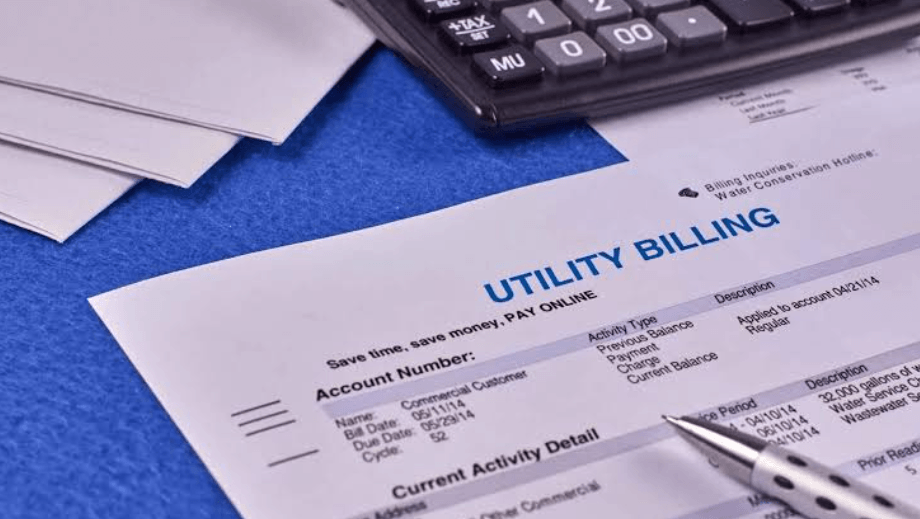
Utility bills have a way of creeping up quietly—until one month you open the statement and wonder where it all went. The good news? A few smart upgrades around the house can make a real difference, not just in comfort, but in the dollars leaving your account each month. Home automation has shifted from a luxury to a practical tool for households looking to take control of their energy use. Here’s how it works.
Smart Thermostats: The Heart of Energy Efficiency
Heating and cooling typically account for the largest portion of home energy costs. A smart thermostat addresses this directly by learning your schedule and adjusting temperatures automatically—cooling down when you leave, warming up before you return.
The real value lies in precision. Rather than blasting the AC all day on a timer, these devices respond to real conditions. Some connect to local weather data and adjust accordingly. Over a full year, that kind of responsiveness adds up to meaningful savings without any extra effort on your part.
Smart Lighting: Bright Ideas for Lower Bills
Lights left on in empty rooms are one of the most common (and fixable) sources of wasted energy. Smart lighting systems solve this through motion detection, scheduling, and remote control. If you forget to turn off the porch light before bed, a quick tap on your phone handles it.
LED smart bulbs also consume significantly less power than traditional incandescent options. Pair them with automated schedules—dimming in the evening, switching off at a set time—and you have a system that works even when you’re not thinking about it. Home automation here is genuinely set-and-forget.
Smart Plugs and Power Strips: Eliminating Phantom Drain
Many devices continue drawing power even when switched off. TVs, gaming consoles, phone chargers—they all contribute to what’s known as phantom drain or standby power. It’s a small amount per device, but across an entire home, it can account for a surprising chunk of your monthly bill.
Smart plugs cut power to devices entirely on a schedule or via remote control. You can program your entertainment setup to fully power down overnight, or shut off the home office the moment your workday ends. It’s one of the simplest entry points into home automation, and the impact is immediate.
Smart Appliances: Modern Convenience, Minimal Consumption
Newer appliances—dishwashers, washing machines, refrigerators—are increasingly designed with energy monitoring built in. They can run cycles during off-peak hours when electricity rates are lower, notify you of unusual consumption patterns, and optimize settings based on load size.
This isn’t about giving up convenience. A smart dishwasher that runs at 2 a.m. still has clean dishes ready by morning. The difference is that it does this at a lower cost, with less strain on the grid during peak demand periods.
Integrating Home Automation for Maximum Savings
Individual smart devices deliver savings on their own, but the real power comes from connecting them. A fully integrated home automation setup allows your thermostat, lighting, appliances, and plugs to communicate and respond together.
For example, when you leave home, a single “away” command can lower the thermostat, switch off all lights, and cut power to non-essential devices simultaneously. When you return, everything adjusts back to your preferred settings. These coordinated routines eliminate the inefficiencies that come from managing each system separately—and they remove the human error factor entirely.
Home automation also gives you visibility. Energy dashboards show exactly where power is being consumed, which makes it far easier to identify waste and act on it.
See also: The Importance of Strategic Planning in Business
Your Smart Home, Your Savings
Reducing utility bills doesn’t require a complete renovation. Start with one or two devices—a smart thermostat or a few smart plugs—and build from there. Each addition compounds the savings from the last.
Home automation rewards consistency. The longer these systems run and learn your patterns, the more efficiently they operate. Over time, what began as a modest upgrade becomes a genuinely intelligent home that works quietly in the background, keeping costs down without demanding your attention.
The technology is more accessible than ever. The question isn’t really whether home automation can save you money—it’s how much you want to save.
