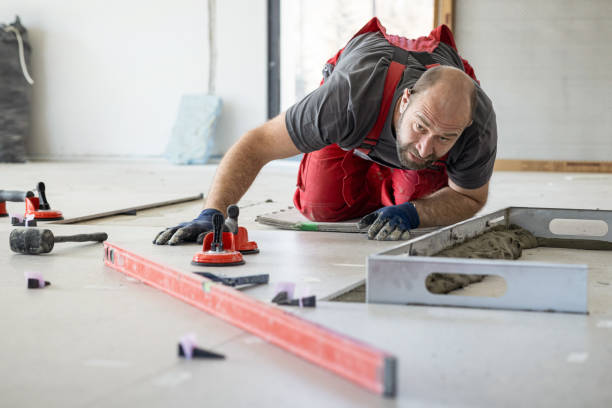
Creating a durable and long-lasting floor begins with a strong and even foundation. Floor levelling plays a critical role in ensuring that surfaces are smooth, stable, and ready for further finishing. Whether it is for residential, commercial, or industrial applications, achieving a level base is essential for both performance and aesthetics.
In the upper part of your research, you can explore professional solutions for floor levelling brisbane to understand how expert services ensure precise and reliable results.
Floor levelling is not just about correcting visible unevenness. It is a technical process that prepares the surface for long-term use, preventing issues that may arise from poor flooring foundations.
Understanding Floor Levelling
Floor levelling refers to the process of correcting uneven or damaged concrete surfaces to create a flat and uniform base. This process is essential before installing any type of flooring such as tiles, vinyl, epoxy, or polished concrete.
A properly levelled floor ensures that the final finish adheres correctly and performs as expected. It also reduces the risk of structural problems and surface damage over time.
What Causes Uneven Floors?
Uneven floors can occur due to a variety of reasons. Understanding these causes helps in determining the most effective levelling method.
Some common causes include:
- Structural movement or settling of the building
- Wear and tear over time
- Poor initial construction or finishing
- Moisture-related damage
- Heavy load impact on the surface
These factors can lead to cracks, slopes, and irregularities that affect both functionality and appearance.
Types of Floor Levelling Methods
Different levelling methods are used depending on the condition of the surface and the desired outcome.
- Self-Levelling Compounds: These are liquid-like materials that spread evenly across the surface, filling low spots and creating a smooth finish
- Mechanical Grinding: This method involves grinding down high spots to achieve a level surface
- Patching and Repair: Used for localized damage or cracks before applying a full levelling solution
Each method is selected based on the severity of the unevenness and the type of flooring that will be installed.
Why Floor Levelling Is Essential
Floor levelling is a foundational step that directly impacts the quality and durability of the final flooring system. Without proper levelling, even high-quality materials may fail to perform effectively.
Ensuring a level surface improves both structural integrity and visual appeal.
Improves Surface Stability
A level floor provides a stable base for all types of flooring systems. Stability is crucial for preventing movement, cracks, and long-term damage.
Benefits of improved stability include:
- Strong support for heavy loads
- Reduced risk of surface failure
- Enhanced durability of flooring materials
A stable foundation ensures that the flooring system remains intact and functional over time.
Enhances Finish Quality
The quality of the final finish depends heavily on the condition of the base surface. Uneven floors can lead to poor installation results, including gaps, misalignment, and surface imperfections.
Proper levelling ensures:
- Smooth and uniform appearance
- Better adhesion of flooring materials
- Professional and polished results
In the middle part of your research, visiting Allure Concrete Solutions can provide deeper insights into advanced flooring preparation techniques and solutions.
Floor Levelling Process Explained
The floor levelling process involves several steps that work together to create a smooth and even surface. Each stage is important for achieving optimal results and long-term performance.
Careful execution of the process ensures consistency and durability.
Surface Preparation Steps
Preparation is the first and most critical stage of floor levelling. The surface must be cleaned and prepared to allow proper bonding of levelling materials.
Key preparation steps include:
- Removing dust, debris, and contaminants
- Repairing cracks and damaged areas
- Applying primers to improve adhesion
Proper preparation ensures that the levelling compound or treatment adheres effectively to the surface.
Application and Finishing
Once the surface is prepared, the levelling material is applied. This step involves spreading the compound evenly across the floor to fill low areas and create a uniform level.
Important aspects of application include:
- Even distribution of the levelling compound
- Smoothing the surface to eliminate irregularities
- Allowing sufficient curing time for stability
The finishing process ensures that the surface is ready for the installation of the final flooring system.
When Should You Consider Floor Levelling?
Floor levelling is necessary in various situations where surface irregularities can affect performance and appearance. Identifying the right time to level a floor helps prevent future complications.
Addressing uneven surfaces early ensures better results and reduces repair costs.
Signs of Uneven Floors
There are several indicators that a floor may require levelling. Recognizing these signs helps in taking timely action.
Common signs include:
- Visible cracks or surface damage
- Sloping or uneven areas
- Difficulty in installing flooring materials
- Uneven wear patterns
Ignoring these signs can lead to more significant structural and aesthetic issues.
Renovation and New Construction Needs
Floor levelling is essential in both renovation and new construction projects. In renovations, it helps correct existing issues, while in new builds, it ensures a perfect base for flooring installation.
Situations where levelling is required include:
- Preparing surfaces for new flooring
- Upgrading or replacing old floors
- Ensuring compliance with design specifications
For expert assistance and tailored solutions, you can Contact professionals to discuss your project requirements.
FAQs
1. What is floor levelling used for?
Floor levelling is used to create a smooth and even surface that serves as a foundation for installing various types of flooring.
2. How do I know if my floor needs levelling?
Signs such as cracks, slopes, and uneven surfaces indicate the need for floor levelling.
3. What are the common methods of floor levelling?
Common methods include self-levelling compounds, mechanical grinding, and surface patching.
4. Can floor levelling improve flooring durability?
Yes, a properly levelled surface enhances stability and helps extend the lifespan of flooring materials.
5. Is floor levelling necessary for new construction?
Yes, it ensures that the base is properly prepared for flooring installation and prevents future issues.
Conclusion
Floor levelling is a crucial step in creating durable, stable, and visually appealing surfaces. By addressing unevenness and preparing a solid foundation, it ensures that flooring systems perform efficiently and maintain their quality over time.
Understanding the causes of uneven floors, the available levelling methods, and the importance of proper preparation helps in achieving the best results. Whether for renovation or new construction, investing in professional floor levelling ensures long-term reliability and improved performance.
A well-levelled floor not only enhances the overall appearance but also contributes to the strength and longevity of the entire structure.
