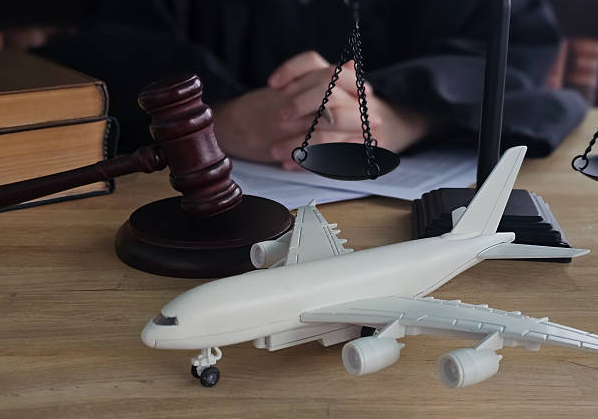
Airplane accidents are among the most complex incidents in personal injury law. Although aviation remains one of the safest forms of transportation, accidents involving commercial aircraft, private planes, helicopters, charter flights, and other aviation-related operations can result in devastating injuries and significant financial losses. Unlike typical motor vehicle accidents, aviation cases often involve extensive investigations, federal regulations, multiple responsible parties, and highly technical evidence.
When individuals or families are affected by an aviation accident, understanding their legal rights becomes essential. Seeking guidance from an experienced airplane accident lawyer early in the process can help preserve critical evidence and ensure that all potential sources of liability are thoroughly examined. Because aviation litigation involves unique legal and technical considerations, victims often benefit from working with legal professionals who understand the complexities of this specialized area of law.
Why Are Airplane Accident Cases So Complex?
Aviation accidents differ significantly from ordinary personal injury claims because they involve numerous layers of regulation, investigation, and liability analysis. Commercial airlines, aircraft manufacturers, maintenance companies, air traffic controllers, and airport operators may all play a role in an accident investigation.
Federal agencies often conduct detailed examinations following aviation incidents to determine contributing factors and identify safety concerns. These investigations frequently generate extensive technical reports that may influence legal proceedings. Unlike standard traffic accidents, aviation cases often require expert analysis of aircraft systems, flight records, weather conditions, maintenance documentation, and operational procedures.
The complexity increases further when accidents involve interstate or international travel. Different legal jurisdictions, federal regulations, and insurance policies may affect how claims are handled and resolved.
See also: Why Skin Boosters Near Me Are Becoming a Popular Choice for Hydrated Skin
What Causes Airplane Accidents?
Pilot Error
Pilot error remains one of the most frequently cited contributing factors in aviation accidents. Human mistakes can occur during takeoff, flight operations, navigation, communication, or landing procedures. Fatigue, inadequate training, poor decision-making, and failure to follow established protocols can all contribute to accidents.
Investigators often review pilot training records, flight logs, certification history, and communication records when determining whether operational errors played a role in an incident.
Mechanical Failures
Aircraft rely on highly sophisticated systems that require consistent maintenance and inspection. Mechanical failures involving engines, flight controls, navigation equipment, hydraulic systems, or structural components can lead to serious accidents.
Maintenance records become particularly important when evaluating whether proper inspections were conducted and whether known mechanical issues were adequately addressed before flight operations.
Weather and Environmental Conditions
Severe weather conditions can create significant hazards for aircraft. Strong winds, turbulence, icing conditions, thunderstorms, and reduced visibility may contribute to aviation accidents when pilots encounter challenging circumstances.
Although weather itself cannot be held legally responsible, investigators often evaluate whether appropriate precautions were taken before and during flight operations.
Who May Be Held Liable After an Aviation Accident?
Determining liability in an aviation accident often requires a comprehensive investigation because multiple parties may share responsibility.
Airlines and Aircraft Operators
Commercial airlines and private aircraft operators have legal obligations to maintain safe operations, properly train personnel, and comply with applicable aviation regulations. Failure to meet these responsibilities can result in liability when accidents occur.
Operators may also be responsible for inadequate maintenance programs, improper safety procedures, or negligent supervision of flight personnel.
Aircraft Manufacturers
Aircraft manufacturers can be held accountable when defective components, design flaws, or manufacturing errors contribute to an accident. Product liability claims involving aviation equipment often require extensive technical analysis and expert testimony.
Manufacturers of engines, navigation systems, and other aircraft components may also face liability if defective products contribute to injuries or fatalities.
Maintenance Providers
Aircraft maintenance companies play a critical role in aviation safety. Improper inspections, incomplete repairs, or overlooked mechanical issues can create dangerous conditions that increase accident risks.
Maintenance logs and service records frequently become key evidence when evaluating whether maintenance failures contributed to an incident.
What Evidence Is Important in an Aviation Accident Claim?
Aviation accident investigations involve far more technical evidence than many other personal injury cases. Preserving and analyzing this information is often essential to building a successful claim.
Flight Data and Cockpit Records
Modern aircraft are equipped with sophisticated systems that record operational information throughout a flight. Flight data recorders and cockpit voice recorders can provide valuable insights into aircraft performance, pilot actions, and events leading up to an accident.
These records often help investigators reconstruct accident sequences and identify contributing factors.
Maintenance Documentation
Maintenance records can reveal whether aircraft inspections were completed on schedule and whether known mechanical issues were properly addressed. Missing or incomplete maintenance documentation may indicate safety violations or negligence.
Expert Analysis
Many aviation cases require specialists to analyze technical evidence and provide professional opinions regarding aircraft performance, regulatory compliance, and accident causation. Expert testimony frequently plays a central role in aviation litigation.
Individuals seeking compensation often work with an experienced airplane accident attorney who can coordinate with aviation experts and ensure that technical evidence is properly evaluated throughout the legal process.
What Types of Compensation May Be Available?
Victims injured in aviation accidents may be entitled to various forms of compensation depending on the circumstances of the case and the severity of their injuries.
Medical expenses often represent a substantial portion of damages. Compensation may cover emergency treatment, surgeries, hospital stays, rehabilitation services, medications, and future medical care related to accident injuries.
Lost wages and reduced earning capacity may also be recoverable when injuries prevent individuals from returning to work. In severe cases involving long-term disabilities, future income losses may constitute a significant portion of damages.
Non-economic damages may include compensation for physical pain, emotional suffering, mental anguish, and diminished quality of life. These damages recognize the personal impact serious injuries can have on daily activities and long-term well-being.
In wrongful death cases, surviving family members may be eligible to pursue compensation for financial losses, funeral expenses, and other damages permitted under applicable law.
How Do Federal Aviation Regulations Affect Injury Claims?
The aviation industry operates under extensive federal oversight. Compliance with federal regulations often becomes an important issue when determining liability after an accident.
Investigators may examine whether pilots, airlines, maintenance providers, and aircraft operators followed applicable safety standards and operational requirements. Violations of aviation regulations can serve as important evidence when establishing negligence.
Federal rules govern numerous aspects of aviation operations, including pilot qualifications, aircraft inspections, maintenance procedures, flight operations, crew scheduling, and safety protocols. Understanding how these regulations apply to a particular case requires both legal and technical knowledge.
Why Is Early Legal Action Important After an Aviation Accident?
Aviation accident investigations begin quickly after an incident occurs. Critical evidence must often be preserved before records become unavailable or physical evidence deteriorates.
Legal representation can help ensure that evidence preservation efforts begin promptly and that responsible parties are identified before important deadlines pass. Attorneys can also coordinate with aviation experts, investigators, and regulatory authorities to protect a victim’s interests throughout the process.
Because aviation cases often involve substantial damages and multiple defendants, insurance companies and corporate representatives may aggressively defend claims. Early preparation can strengthen a case and improve the ability to pursue fair compensation.
Conclusion
Airplane accident claims present unique legal challenges that distinguish them from most other personal injury cases. The involvement of federal regulations, technical evidence, multiple potentially liable parties, and complex investigations requires careful legal analysis and strategic case preparation. Understanding these challenges is essential for individuals seeking compensation after an aviation-related injury.
Whether an accident involves a commercial aircraft, private plane, helicopter, or other aviation operation, obtaining experienced legal guidance can help protect important rights and ensure a thorough investigation. The team at5280 Injury Law is committed to helping injury victims navigate complex legal matters and pursue the compensation they may be entitled to under the law.
